


















































 ¹
¹Anderson, James W. "Orlistat for the Management of Overweight Individuals and Obesity: A Review of Potential for the 60-mg, Over-the-Counter Dosage." Expert Opinion on Pharmacotherapy, vol. 8, no. 11, 2007, pp. 1733-42. PubMed, doi:10.1517/14656566.8.11.1733, https://pubmed.ncbi.nlm.nih.gov/17685889/.
Weight Loss Treatments UK: Complete Guide to Injections, Tablets, Costs & Eligibility
Discover UK weight loss treatments: Mounjaro, Wegovy, Saxenda, and Orlistat. Compare effectiveness, costs, NHS access and side effects.
Weight loss injections like Mounjaro and Wegovy are helping thousands of people in the UK achieve significant, sustained weight loss when diet and exercise alone haven't been enough.
Whether you're considering treatment for the first time or looking to understand your options, we cover everything from how weight loss injections and tablets work and who's eligible, to costs, side effects, and how to access treatment through the NHS or privately.
What are weight loss injections?
Weight loss injections are medications that mimic natural hormones in your body. They help control appetite, regulate blood sugar levels, and are clinically proven to support meaningful weight loss.
Wegovy (semaglutide) and Saxenda (liraglutide) work by targeting GLP-1 (glucagon-like peptide-1), while Mounjaro (tirzepatide) targets both GLP-1 and GIP (glucose-dependent insulinotropic polypeptide). Wegovy and Mounjaro are taken once weekly, while Saxenda requires daily injections. Due to their benefits in regulating blood sugar, some of these medications are also licensed for type 2 diabetes.
When combined with diet and exercise, these medications can help patients achieve up to 22.5% body weight loss. While the fundamental principles of weight loss still apply (eating less and moving more to create a calorie deficit), these medications make it significantly easier. They're not a quick fix, but they provide the support that makes sustainable lifestyle changes much easier to develop and stick to.
How do they work?
When you eat, your gut releases hormones including GLP-1 and GIP.
GLP-1 (used in Wegovy, Saxenda, and Mounjaro) does two main things: it slows down digestion so you feel fuller for longer, and it helps regulate your blood sugar by triggering insulin release when needed.
GIP (used in Mounjaro alongside GLP-1) makes your body better at managing blood sugar after meals and also works in the brain to reduce hunger, making it easier to feel satisfied with less food.
Weight loss injections work by delivering these hormones at higher and more consistent levels than your body naturally produces. This creates a much stronger and longer-lasting sense of fullness between meals. Many people say it feels like finally having control over constant food thoughts and cravings that used to dominate their day.
Newer medications in development, like retatrutide, work on three hormones instead of one or two (adding glucagon to GLP-1 and GIP), which early studies suggest could lead to even greater weight loss.
What are they used for?
Weight loss injections are prescribed for:
Weight management
Wegovy, Mounjaro, and Saxenda are all licensed for weight loss in people with obesity or those who are overweight with weight-related health conditions.
Type 2 diabetes
These medications are also licensed to improve blood sugar control in people with type 2 diabetes. Ozempic, which contains semaglutide (the same ingredient as Wegovy), is licensed specifically for type 2 diabetes, not weight management.
Cardiovascular risk reduction
Wegovy is the only weight loss injection approved to reduce the risk of heart attack, stroke, and cardiovascular death in people with existing heart disease.
What's being researched
Ongoing studies are exploring whether these medications could help with other conditions including obstructive sleep apnoea, knee osteoarthritis, non-alcoholic fatty liver disease (NAFLD), polycystic ovary syndrome (PCOS), alcohol use disorder and Alzheimer's disease. Emerging research is also investigating potential links between tirzepatide and breast cancer prevention.
Are they safe?
Yes, weight loss injections are safe when prescribed by a licensed clinician and used as directed. These medications have been rigorously tested in clinical trials involving thousands of patients and are approved by the UK's Medicines and Healthcare products Regulatory Agency (MHRA), as well as the US Food and Drug Administration (FDA) and the European Medicines Agency (EMA).
Saxenda was approved in the UK in 2017, Wegovy in 2021, and Mounjaro in 2023. They have been used by millions of people worldwide since. All three medications continue to be monitored for safety as part of standard post-market surveillance.
Like all medications, they can cause side effects. The most common are gastrointestinal symptoms like nausea, constipation, or diarrhoea, especially when you first start or increase your dose. These usually settle within a few weeks as your body adjusts to treatment.
To ensure safe use, weight loss injections should only be prescribed by a licensed prescriber after a full medical history assessment. They can't be taken if you have certain medical conditions or if you're taking medications that may interact with treatment. Be sure to share all relevant details about your health so your prescriber can make a safe, informed decision.
Who shouldn't take weight loss injections?
Weight loss injections may not be suitable if you have certain medical conditions or take specific medications.
Weight loss injections may not be suitable for you if you:
- Are trying to conceive, pregnant, or breastfeeding
- Are allergic to semaglutide, liraglutide, tirzepatide, or any ingredients in these medications
- Have type 1 diabetes
- Have a personal or family history of medullary thyroid cancer
- Have Multiple Endocrine Neoplasia Type 2 (MEN 2)
- Have severe digestive conditions such as inflammatory bowel disease (Crohn's disease, ulcerative colitis) or gastroparesis
- Have a history of pancreatitis
- Have severe liver or kidney impairment
- Have active gallbladder problems (unless your gallbladder has been removed)
- Have diabetic retinopathy that has not been treated
Always obtain weight loss injections through a GPhC-registered pharmacy (regulated by the UK's General Pharmaceutical Council) with a qualified prescriber who will review your medical history to ensure treatment is safe for you.
What medications can't you take with weight loss injections?
Weight loss injections can interact with several types of medications. It's essential to tell your prescriber about all medications you take, including over-the-counter drugs and supplements.
- Multiple weight loss medications: Do not combine weight loss injections with each other or with other weight loss treatments like orlistat. Using multiple weight loss medications together is not safe.
- Diabetes medications: Weight loss injections can interact with insulin and sulfonylureas (like gliclazide), increasing the risk of low blood sugar.
- Contraceptive pills: Mounjaro specifically can reduce the effectiveness of oral contraceptives pills. If you take the pill while on Mounjaro, use additional contraception (condoms) for 4 weeks after starting treatment and after each dose increase. Saxenda and Wegovy are not known to affect contraceptive pill effectiveness.
- Other oral medications: Weight loss injections slow stomach emptying, which may affect how your body absorbs other oral medications. Your prescriber will review your complete medication list to identify any potential interactions.
What are the side effects of weight loss injections?
The most common side effects affect your digestive system and happen when first starting treatment or during dose increases. These typically include nausea, diarrhoea, constipation, stomach discomfort, and vomiting. They usually get better as your body adjusts to the medication and the dose you're on.
Some foods may trigger side effects, but simple lifestyle changes can help:
- Reduce caffeine intake
- Avoid large meals and stick to smaller portions more often
- Stay away from alcohol, fatty foods, and spicy foods
- Eat slowly and stop when you feel satisfied
Other side effects may include hair thinning (usually temporary), injection site reactions (redness, itching), fatigue, or low blood sugar (particularly if you have diabetes and take other blood sugar lowering medications).
The 3 weight loss injections available in the UK
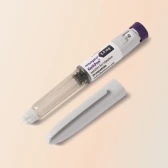
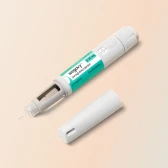
Three weight loss injections are available on prescription in the UK. They all come as pre-filled pens that you self-administer, and must be prescribed by a clinician after an eligibility assessment.
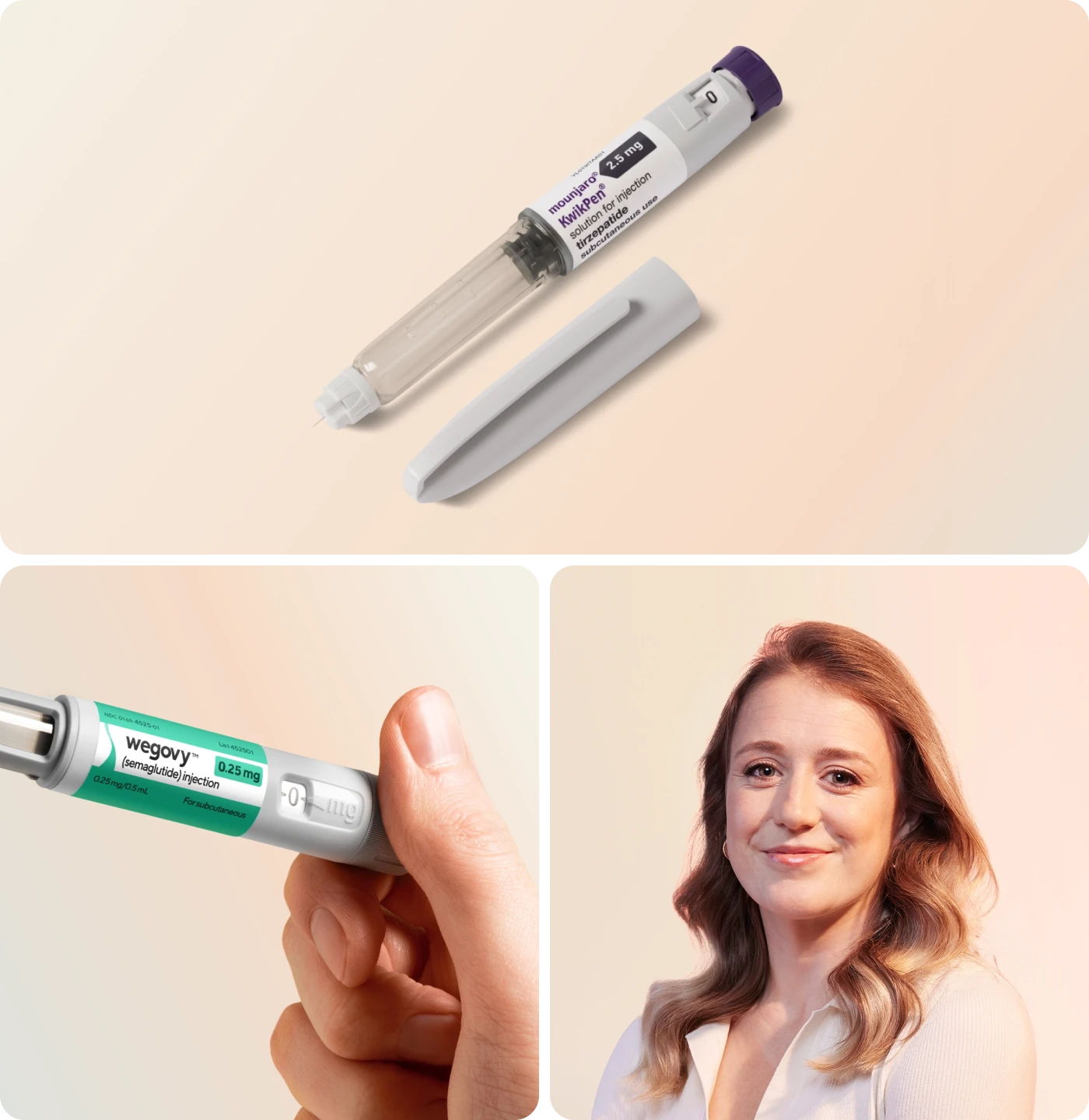
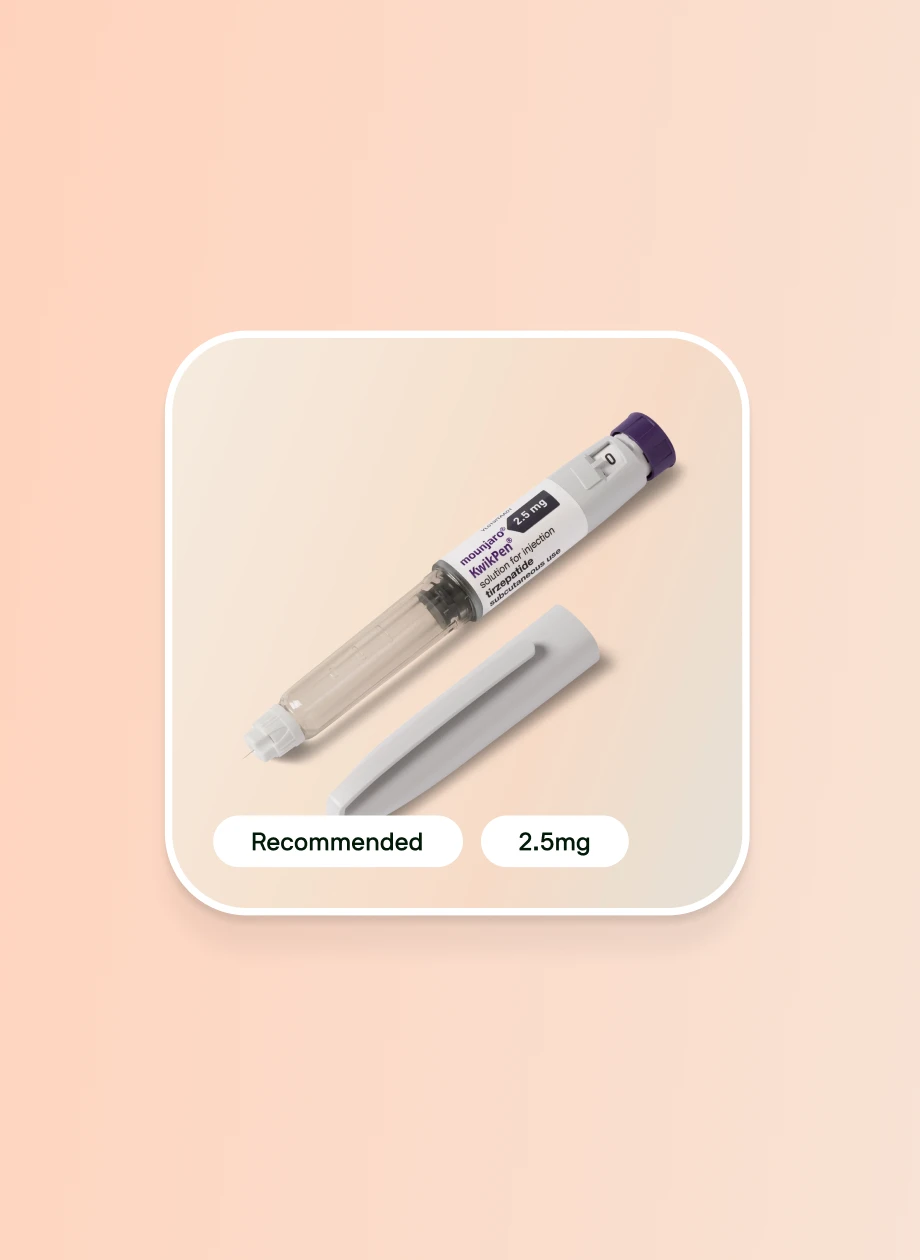
Mounjaro (tirzepatide)
Mounjaro contains tirzepatide and is the newest weight loss injection licensed in the UK. Unlike Saxenda and Wegovy which target only GLP-1, Mounjaro works as a dual agonist targeting both GLP-1 and GIP hormones. This dual mechanism explains its superior weight loss results in clinical trials.
- Once weekly injection
- Same day each week
- Inject into your abdomen, upper thigh, or upper arm
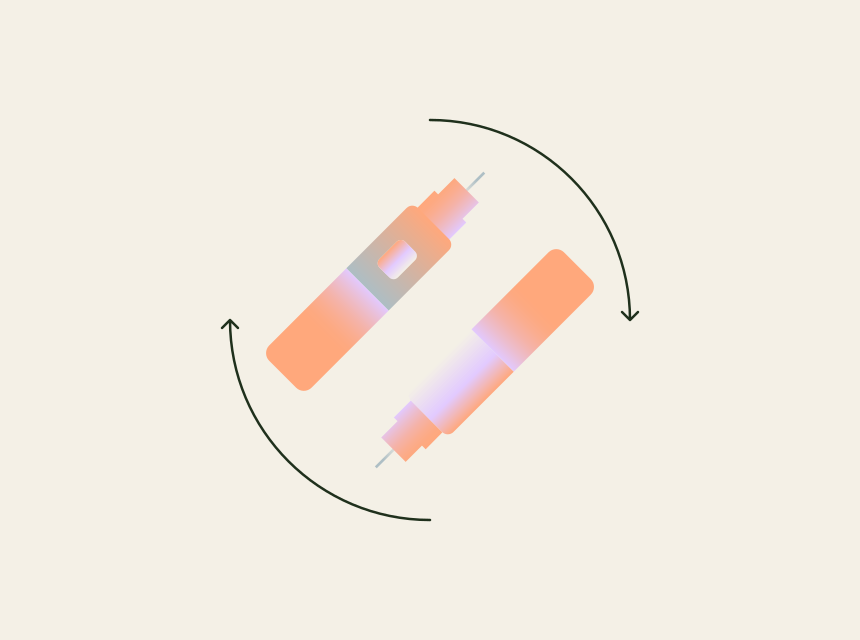
- Rotate injection sites to reduce irritation
Dosing schedule: Start at 2.5mg weekly for four weeks, then increase every four weeks: 5mg → 7.5mg → 10mg → 12.5mg → up to 15mg. You don't need to increase if you're experiencing side effects and need more time on your current dose, or if you reach a dose that provides adequate appetite suppression and weight loss.
Effectiveness: In the SURMOUNT-1 trial, participants taking the 15mg dose lost an average of 22.5% of their body weight after 72 weeks.
Who it's for: BMI ≥30, or ≥27 with weight-related conditions such as type 2 diabetes, high blood pressure, or obstructive sleep apnoea. Private providers may prescribe at lower BMIs if clinically appropriate (off-label prescribing).
You may be eligible for Mounjaro through your GP or a specialist weight management service but eligibility criteria are more restrictive with longer waiting times, making private providers the quicker option for most people.
Why choose Mounjaro: Delivers the highest weight loss results in clinical trials (up to 22.5% average body weight loss). Particularly suitable if you've tried other weight loss medications without achieving the results you wanted.
Wegovy (semaglutide)
Wegovy is a GLP-1 receptor agonist that mimics the GLP-1 hormone. It contains semaglutide, which is the same active ingredient in Ozempic. Ozempic is licensed for type 2 diabetes treatment, while Wegovy is specifically licensed for weight loss.
- Once weekly injection
- Same day each week
- Inject into your abdomen, upper thigh, or upper arm
- Rotate injection sites to reduce irritation
Dosing schedule: Start at 0.25mg weekly, then increase every four weeks: 0.5mg → 1mg → 1.7mg → 2.4mg or 7.2mg. You don't need to increase if you're experiencing side effects and need more time on your current dose, or if you reach a dose that provides adequate appetite suppression and weight loss.
Effectiveness: The newly approved 7.2mg dose achieved 20.7% average body weight loss after 72 weeks.
Cardiovascular benefits: Wegovy is the only weight loss injection licensed specifically to protect your heart. The SELECT trial showed it reduced the risk of major cardiac events like heart attacks and strokes by 20% in people with existing heart disease.
Who it's for: BMI ≥30, or ≥27 with weight-related conditions (high blood pressure, type 2 diabetes, high cholesterol). Private providers may prescribe at lower BMIs if clinically appropriate (this is known as off-label prescribing).
NHS access requires higher BMI thresholds and has long waiting lists, making private providers a quicker option for most people.
Why choose Wegovy: The 7.2mg dose offers similar weight loss to Mounjaro. It's the only weight loss injection licensed to reduce cardiovascular events, making it particularly suitable if you have established heart disease.
Wegovy tablets (coming soon): In December 2025, the FDA approved an oral version of Wegovy (25mg daily tablet) in the US. Clinical trials showed 16.6% average weight loss. UK approval is expected early-to-mid 2026, offering a needle-free option for people who prefer tablets over injections.
Saxenda (liraglutide)
Saxenda contains liraglutide and was the first modern weight loss injection to receive European approval (March 2015), launching in the UK in 2017. It's a GLP-1 receptor agonist like Wegovy, but requires daily rather than weekly injections.
How you take it:
- Once daily injection
- Same time each day
- Inject into your abdomen, upper thigh, or upper arm
- Rotate injection sites to reduce irritation
Dosing schedule: Start at 0.6mg daily, then increase every week: 1.2mg → 1.8mg → 2.4mg → 3mg maintenance dose. It takes four weeks to reach full maintenance dose.
Effectiveness: Clinical trials showed an average of 8% body weight loss after 56 weeks when combined with lifestyle changes. While lower than Mounjaro or Wegovy, Saxenda remains effective for many people.
Who it's for: BMI ≥30, or ≥27 with weight-related conditions (high blood pressure, type 2 diabetes, high cholesterol). Also approved for adolescents aged 12-17 with obesity.
Why choose Saxenda: Good option if you don't mind daily injections. Often more affordable than newer options, and some people find a daily routine easier to maintain.
Weight loss tablets: An alternative to injections
If you're uncomfortable with injections, not suitable for GLP-1 medications, or prefer oral medication, weight loss tablets are available in the UK. Orlistat is currently the only licensed weight loss tablet available, sold under different brand names at prescription (120mg) and over-the-counter (60mg) strengths.
Unlike GLP-1 injections that reduce appetite and help you feel fuller, orlistat works by blocking fat absorption. It delivers more modest results than injections but remains a clinically proven option when combined with diet and exercise.
How orlistat works: Orlistat blocks fat absorption in your digestive system. It attaches to enzymes (lipases) that normally break down fat from food, stopping around 25-35% of that fat from being digested depending on the strength. The undigested fat passes out of your body naturally in your stools instead of being absorbed as calories. This reduces your calorie intake and helps you lose weight when combined with a healthy diet.
Available versions:
- Prescription strength (120mg): Orlistat (generic), Xenical (branded)
- Over-the-counter (60mg): Alli, Orlos
How you take it (all versions):
- One capsule three times daily with each main meal (before, during, or up to one hour after eating)
- Skip the dose if your meal has no fat or you miss the meal
- Combine with a reduced-calorie, lower-fat diet for best results and fewer side effects
- 120mg (Prescription): 37% of people lost 5% or more of their body weight after 3 months; 49% of those continuing lost 10% or more after one year
- 60mg (OTC): 47% of people lost 5% or more of their body weight after six months
Side effects (all versions): The most common side effects are digestive and happen because orlistat blocks fat absorption. You may experience oily or loose stools, needing to use the bathroom urgently or more often than usual, wind, and oily spotting.
These effects are usually mild and happen most often when you first start treatment or after eating high-fat meals. They typically improve as your body adjusts and you stick to a lower-fat diet. Following a reduced-fat eating plan significantly reduces these side effects.
Who it's for:
- Prescription strength (120mg): BMI 30 or above, or BMI 28 or above with weight-related health conditions (high blood pressure, type 2 diabetes, high cholesterol)
- Over-the-counter (60mg): BMI 28 or above.
Why choose orlistat: Good option if you're not suitable for GLP-1 medications or prefer tablets. More affordable than injections and available without prescription at lower strength.
Product
Strength
Availability
Fat Blocked
Best For
Orlistat
120mg
Prescription
33%
Budget-conscious prescription option
Xenical
120mg
Prescription
33%
Those who prefer branded medications
Alli
60mg
Over-the-counter
25%
Quick access without prescription
Orlos
60mg
Over-the-counter
25%
Most affordable OTC option
Important note: All orlistat products work the same way by blocking fat absorption. Prescription strength (120mg) blocks more fat than over-the-counter (60mg), but both require commitment to a reduced-fat diet for best results and to minimise side effects. OTC options have a six-month maximum use without GP review.
Coming soon: GLP-1 tablets
Wegovy tablets (oral semaglutide, 25mg)
Wegovy tablets represent the next evolution in GLP-1 weight loss medication. Unlike orlistat which blocks dietary fat, these tablets work identically to Wegovy injections by targeting appetite and helping you feel satisfied with smaller portions.
Current status:The FDA approved oral Wegovy in December 2025 for use in the US. UK regulatory approval is expected early-to-mid 2026.
How it works:Daily tablet containing 25mg semaglutide. Must be taken on an empty stomach with water, followed by a 30-minute wait before eating or drinking anything else.
The medication mimics GLP-1 hormone to control appetite, slow digestion, and regulate blood sugar.
Effectiveness: Clinical trials showed 16.6% average weight loss at 64 weeks, comparable to the 2.4mg Wegovy injection.
Availability: Not yet available in the UK. Once approved, it will be offered through private providers first, with NHS access expected to follow later.
How much weight can you lose? Comparing the options
Different weight loss medications produce different results. These are average results from clinical trials using different study populations and durations, so direct comparisons aren't perfect. All these results are from people who combined the medication with diet and exercise changes.
Medication
Active Ingredient
Average Weight Loss
Trial Duration
Dosing Frequency
Mounjaro (15mg)
Tirzepatide
22.5%
72 weeks
Once weekly
Wegovy (7.2mg)
Semaglutide
22.5%
72 weeks
Once weekly
Saxenda (3mg)
Liraglutide
8%
56 weeks
Once daily
Orlistat (120mg)
Orlistat
10%
52 weeks
Three times daily
Xenical (120mg)
Orlistat
10%
52 weeks
Three times daily
Alli (60mg)
Orlistat
5%
26 weeks
Three times daily
Orlos (60mg)
Orlistat
5%
26 weeks
Three times daily
Wegovy Tablets* (25mg)
Semaglutide
16.6%
64 weeks
Once daily
*Awaiting UK regulatory approval
Individual results vary based on starting weight, dose reached, how well you follow diet and exercise, other medications, and medical history.
Can you get weight loss injections on the NHS?
Yes, but NHS eligibility is stricter than private prescriptions and waiting lists are long.
If you're South Asian, Chinese, other Asian, Middle Eastern, Black African, or African-Caribbean, lower BMI thresholds apply because these groups face higher health risks at lower BMIs.
Wegovy (semaglutide):
Access: Only available through specialist weight management services, which require a GP referral.
Who qualifies: BMI 35+ (or 32.5+ with qualifying ethnicity) with weight-related health problems. OR BMI 30-34.9 (or 27.5-32.4 with qualifying ethnicity) if you meet specialist referral criteria.
Treatment duration: Reviewed after 6 months. You'll continue only if you've lost at least 5% of your body weight. NHS Wegovy prescriptions are limited to a maximum of 2 years.
Saxenda (liraglutide):
Access: Only available through specialist weight management services, which require a GP referral.
Who qualifies: BMI 35+ (or 32.5+ with qualifying ethnicity) with high blood sugar and high cardiovascular risk (such as high blood pressure or high cholesterol).
Treatment duration: Reviewed after 3 months. You'll continue only if you've lost at least 5% of your body weight.
Mounjaro (tirzepatide):
Access: Some GP practices prescribe Mounjaro directly, though not all offer it yet. Also available through specialist weight management services.
Who qualifies: BMI 40 or above (or lower if your ethnicity qualifies you) with at least 4 of these: type 2 diabetes, high blood pressure, heart disease, high cholesterol, or sleep apnoea.
Treatment duration: Reviewed after 6 months. You'll continue only if you've lost at least 5% of your body weight.
How much do weight loss injections cost?
The cost of weight loss injections can vary. Several factors affect what you'll actually pay:
Dose: As you titrate up to higher maintenance doses, your monthly cost increases. For example, Mounjaro 15mg costs more per month than Mounjaro 5mg.
Pharmacy/provider: Different online services and pharmacies have different pricing structures. This also depends on the level of support provided. Some services offer basic prescription-only access, while others include comprehensive support.
Subscription vs one-off: Providers may offer subscription plans with discounted monthly rates compared to buying one-off supplies.
How much do weight loss injections cost on the NHS?
NHS eligibility criteria are much stricter than private prescribing, with higher BMI thresholds and long waiting lists.
If you do qualify for NHS weight loss injections, you'll pay the standard NHS prescription charge per item (currently £9.90 in England, with prescriptions free in Scotland and Wales).
How much do weight loss tablets cost?
Orlistat tablets are considerably more affordable than GLP-1 injections:
Prescription strength (120mg): Generic orlistat typically costs less than branded Xenical, with no difference in effectiveness. Providers offering additional support such as clinical guidance, nutrition guidance, and side effects management may charge more.
Over-the-counter (60mg): Alli and Orlos are available without prescription from pharmacies, with Orlos often being the more affordable option. Lower strength (60mg) typically costs less than prescription strength (120mg).
Can you switch between weight loss injections?
Yes, switching between GLP-1 medications can be done safely as long as it's done with clinical guidance. You should never switch medications on your own without consulting a prescriber.
You might consider switching if:
- You have persistent side effects
- You're not losing adequate weight
- Cost makes a different option more suitable
- Your prescriber recommends an alternative based on your progress
How do you switch between weight loss injections?
Switching requires medical oversight. Your prescriber will:
- Review your current treatment, dose, and weight loss progress
- Assess your medical history and any side effects you've experienced
- Determine the most appropriate alternative medication
- Advise on the correct starting dose for your new medication
- Explain the waiting period between stopping one medication and starting another
What should you expect when switching?
Most people do well with the transition, but you might experience some side effects. These can be the same side effects to when you first started your previous medication, or a different combination of side effects. These typically settle within the first few weeks.
The appetite suppression may not be immediate when you switch. Your new medication will need to be titrated up gradually to find the dose that works best for you, just like when you started your first treatment.
How to pick the best choice for you?
There's no single "best" weight loss medication. The right choice depends on your individual circumstances, including your weight loss goals, other health priorities, medical history and any previous experience with weight loss treatments.
Key factors to consider:
Weight loss goals: Mounjaro and Wegovy offer the highest weight loss (up to 22.5%), while Saxenda and orlistat deliver more modest results.
Other health conditions: If you have type 2 diabetes, GLP-1 medications help control blood sugar. If you have heart disease, Wegovy is licensed to reduce cardiovascular risk.
Comfort with injections: Weekly injections (Mounjaro, Wegovy) are more convenient than daily (Saxenda). Prefer tablets? Orlistat is available.
Budget: GLP-1 injections cost £120-400 monthly, orlistat costs £30-80.
Previous experience: If you've tried other weight loss treatments but experienced intolerable side effects or didn't achieve adequate results, a different medication may work better for you.
The best way to find out which treatment is right for you is to complete a medical questionnaire.